


What Makes AI Powered Smart Glasses a Productivity Game-Changer in 2026?
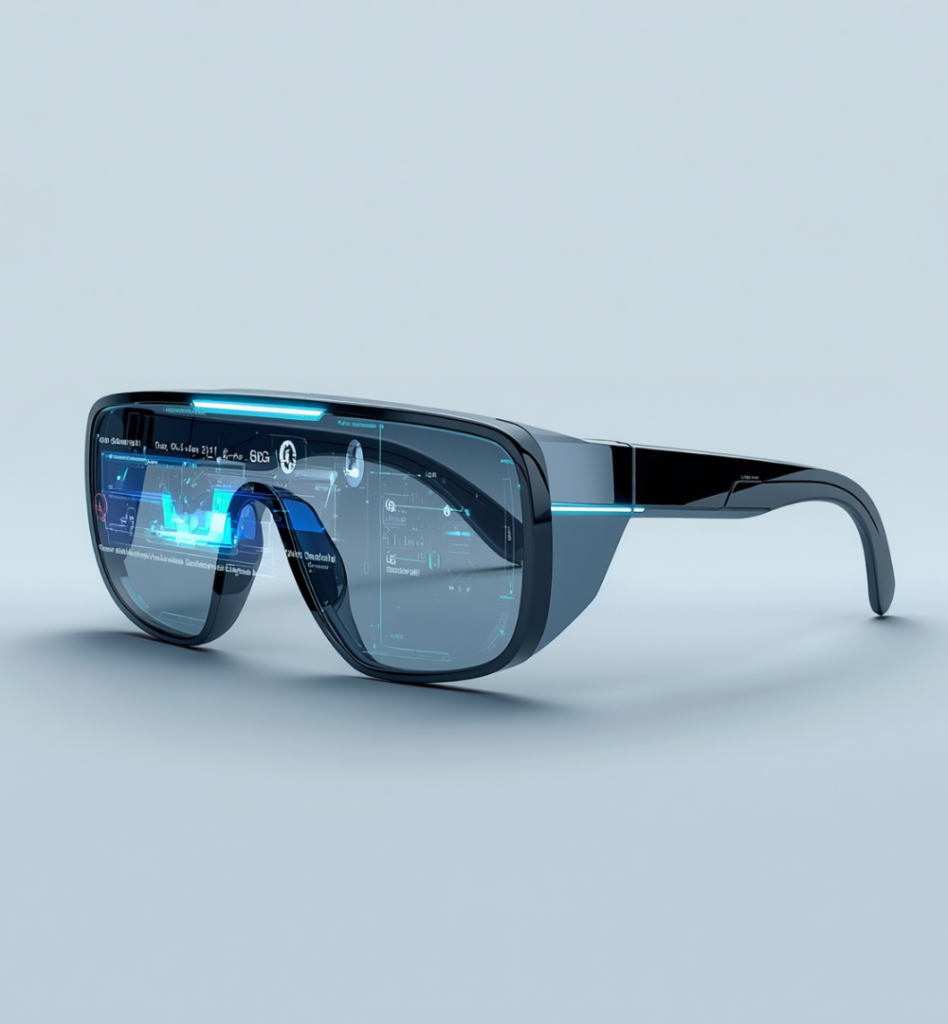
ai powered smart glasses are redefining how tech professionals and productivity enthusiasts approach their daily workflow. The inclusion of intelligent assistants, context-aware displays, and always-on language recognition creates a hands-free experience that streamlines complex tasks. This is especially impactful for those needing real-time accessibility support, like deaf and hard-of-hearing users.
Modern models blend advanced AR overlays with edge AI features, letting you query documents, translate speech, or identify objects simply by looking or speaking. For coders, designers, and remote teams, this means conducting reviews, jumping through workflows, or managing notifications without ever needing to pick up a phone or laptop. Data shows that “users praise natural-language queries, real-time object and language recognition, and the ability to keep hands free for coding, design reviews, and remote collaboration.”
Key Takeaways
- Top models like Ray-Ban Meta Gen 2, Xreal Air 4 Pro, RayNeo Air 4 Pro, and SignGlasses deliver smart displays, robust AI, and workflow integration for professionals.
- Frequent user frustrations include short battery life, weight, technical AI errors, and limited or insufficient accessibility features — especially for DHH users.
- Real productivity comes from seamless hands-free operation, ecosystem integration, and accessibility, but buyers should scrutinize long-term durability and ownership costs.
- What Makes AI Powered Smart Glasses a Productivity Game-Changer in 2026?
- 2026’s Best AI Smart Glasses for Productivity: Feature-by-Feature Comparison
- Real-World User Experience: What Owners Love and What Still Frustrates
- Accessibility in AI Smart Glasses: Advancements and Ongoing Gaps for Deaf Users
- What No Competitor Review Tells You: Durability, Privacy & True Cost of Ownership
- Are AI Powered Smart Glasses Worth It for Productivity in 2026?
- FAQ

2026’s Best AI Smart Glasses for Productivity: Feature-by-Feature Comparison
Choosing among the top devices in 2026 means examining strengths and limitations that go beyond marketing hype. The best AI smart glasses for productivity pair crisp micro-OLED or micro-LED displays with conversational assistants, but the right pick also depends on comfort, total uptime, and deep integration with everyday work software.
Step-by-Step: Comparing ai powered smart glasses Models for Hand-Free Productivity
- Map Your Workflow Needs. Identify must-have features: real-time transcription, AR overlays, object scanning, or direct app notifications? Coders and designers may prioritize visual clarity and shortcut integration, while travelers or DHH users need robust translation and captioning.
- Compare Display & Ergonomics.
- Ray-Ban Meta Gen 2: Dual micro-OLED, 58° FOV, 1250 nits, discreet frame.
- Xreal Air 4 Pro: Full-color AR, 35g frame, up to 48 hours battery, external compute dock boosts AI speed.
- RayNeo Air 4 Pro: 120Hz micro-LED, 8 hours AI use, dual cameras.
- SignGlasses: Tailored for DHH, live speech-to-text, vivid overlays, approx. 6-hour battery.
- Evaluate AI Assistant Depth and Accessibility.
- Does it understand natural language or technical terms?
- Are real-time translation/captioning accurate and fast?
- Can it be customized for accessibility — such as setting caption contrast or pairing with hearing aids?
- Test Ecosystem Integration. Seamless notifications, calendar, or virtual meeting support? Models vary in app support — Ray-Ban’s Meta AI is strong for consumer workflows; Xreal excels in remote desktop or collaborative AR sessions.
- Check Longevity & Accessory Costs. Battery cycles, lens durability, Prescription lens option, and compatibility with compute docks can impact cost.
In real-world productivity testing, the ai powered smart glasses with onboard AI often outperform simple notification glasses. For example, the Xreal Air 4 Pro’s built-in LLM delivers translation and captioning without lag, and RayNeo’s 8-hour assistant use supports continuous hands-free notes and reminders.
Real-World User Experience: What Owners Love and What Still Frustrates
Power users appreciate the speed and ease of direct AI queries and workflow prompts. Many report that “once you get used to talking to the assistant, you stop reaching for your laptop during design reviews or code walk-throughs.” Real-time captioning supports both focus and accessibility, especially for remote teams and DHH professionals.
However, nearly every major brand faces real fatigue after four to five hours of continuous wear. Ray-Ban’s limited 5-hour battery often demands midday charging. Some models, like Xreal Air 4 Pro, are praised for light titanium frames but still cause discomfort for smaller faces. Professionals cite limitations like the AI struggling with technical jargon, failure to recognize specialized terms, and unreliable voice-trigger detection in noisy environments.
Third-party integration is a bottleneck: native apps work best, but onboarding external productivity tools or accessibility extensions can be clunky. Many productivity enthusiasts still miss offline app capabilities and are frustrated by daily charging routines. Users with accessibility needs say features like haptic alerts, Bluetooth hearing-aid streaming, and adjustable caption contrast are still lagging far behind mainstream expectations.
Accessibility in AI Smart Glasses: Advancements and Ongoing Gaps for Deaf Users
Manufacturers have begun tackling accessibility, providing tools like live captions and sign-language overlays for DHH users. The SignGlasses platform leads with specialized overlays, while RayNeo and Xreal models have introduced real-time captioning that appears within the AR field. These innovations help bridge vital gaps in meetings and collaborative work.
Despite progress, major hurdles remain. Many models only support basic captions—caption latency and low contrast can make speech hard to follow in complex conversations. No major device delivers seamless Bluetooth hearing-aid pairing or tactile feedback for silent alerts. There is a need for more granular accessibility evaluations, including sign-language recognition accuracy, so true workflow inclusion is still aspirational for many deaf professionals.
“Unmet accessibility needs include seamless pairing with hearing-aid Bluetooth, low-contrast captions, lack of haptic alerts, and need for more granular accessibility evaluations such as caption latency and sign-language recognition accuracy.”
What No Competitor Review Tells You: Durability, Privacy & True Cost of Ownership
Most reviews fail to address how these devices hold up over a year of heavy use. Ray-Ban and RayNeo frames need to survive hundreds of open-close cycles, daily sweat, and frequent recharging. Few labs publish latency benchmarks for on-device AI or data sync speeds—despite being critical for in-the-field reliability.
Privacy controls matter more in 2026. Always-on microphones and cameras can be paused, but most users never tune default settings. There are hidden costs: prescription lens upgrades may cost over 40 percent of the device price, and compute docks or spare battery packs add up. When budgeting, factor in accessories, maintenance, and subscription upgrades for advanced AI features.
| Model | Display | Battery | AI Assistant Features | Accessibility | Durability & Accessories |
|---|---|---|---|---|---|
| Ray-Ban Meta Gen 2 | Dual micro-OLED, 58° FOV, 1250 nits | 5 hours typical | Meta AI, basic translation, search | Basic captions, no haptic or Bluetooth hearing-aid | Prescription lens option, needs case charging |
| Xreal Air 4 Pro | Full-color AR, 35g frame | Up to 48 hours mixed-use | On-device LLM, translation, code review | Captions, moderate DHH support | Compute dock boosts duration & tasks |
| RayNeo Air 4 Pro | 120Hz dual micro-LED | 8 hours AI use | Note-taking, reminders, object ID | Captions, limited accessibility options | Durable, prescription upgrades costly |
| SignGlasses | Speech-to-text AR overlay | 6 hours | Dedicated live captions and sign overlays | Best for DHH, but lacks haptic | Custom hardware, limited external compatibility |

Are AI Powered Smart Glasses Worth It for Productivity in 2026?
For tech professionals, remote collaborators, and DHH users, these devices now deliver frequent hands-free wins. Translation, real-time captioning, object recognition, and workflow automation can transform productivity. Still, you must weigh ongoing compromises around battery life, ecosystem limitations, genuine accessibility, and real cost of ownership.
Right now, the ai powered smart glasses category rewards buyers who value cutting edge features and can handle daily recharges and a few workarounds. Waiting for the next generation may pay off if seamless third-party app integration, all-day batteries, and more inclusive accessibility are critical to your workflow.
Ready to pick your next wearable? Explore the most up-to-date real-world reviews and comparison guides on our AI Smart Glasses resource, and don’t miss our expert deep-dives on companion devices like the INIU 10000mAh portable charger, JBL Flip 6 Bluetooth speaker, and NOCO Boost Plus GB40 jump starter for seamless daily productivity.
FAQ
What is the main difference between display types?
Most productivity models use micro-OLED or micro-LED panels for high contrast and comfort indoors. Some DHH-focused options provide custom AR overlays, which can be lower in resolution but are optimized for caption clarity.
Can these glasses replace my smartphone for work?
Not yet entirely. They supplement your laptop or phone by displaying AI-driven notifications, captions, and workflow data, but some complex management tasks still require traditional devices or desktops for best results.
Are these devices suitable for all-day meetings?
Battery life is a key limitation. Xreal offers up to 48 hours of mixed-use, but most models deliver six to eight hours of continuous AR/AI before a recharge. Frequent heavy use may require a backup charging solution or portable power bank like the INIU 10000mAh charger.
How do current models support DHH professionals?
Many provide real-time captions, while platforms like SignGlasses overlay sign language visuals for meetings. However, only a few models offer granular settings for caption contrast, latency, or sign recognition. Seamless Bluetooth hearing-aid pairing and robust haptic alerts are not yet standard.
Is it worth waiting to buy or should I invest now?
For those whose workflow requires instant translation, workflow prompts, or accessibility overlays, ai powered smart glasses can deliver value now. If you need longer battery life, better offline app support, or universal accessibility, the next generation might be worth the wait.